Restoration
Water in Your Basement After Heavy Rain? A Northern Virginia Homeowner’s Guide
Understand the next steps, from a safe assessment to planning the repair.
One Vision Contracting | Homeowner planning guide
Finding water in your basement after heavy rain calls for a careful assessment, not just a new coat of paint.
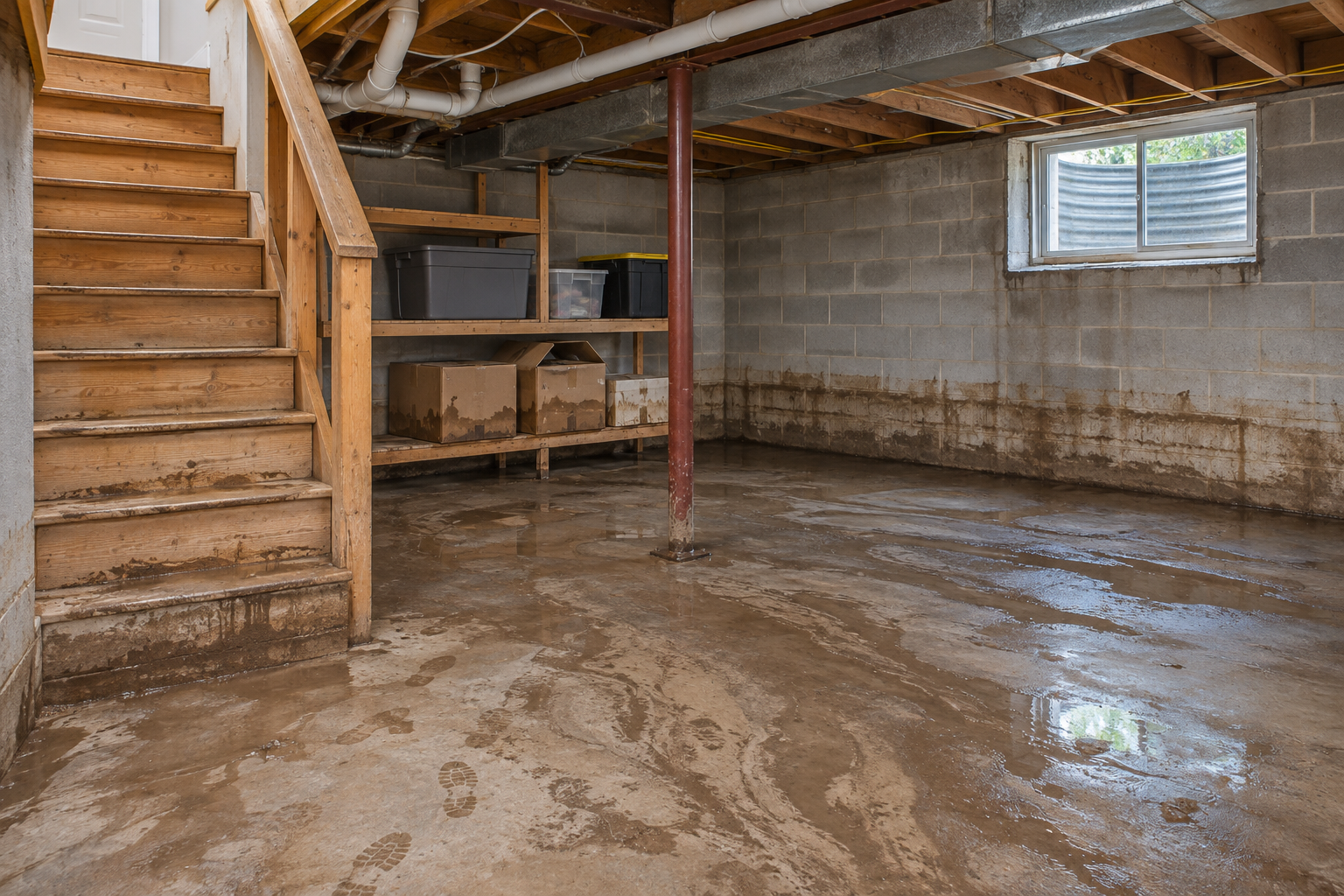
The priorities are staying safe, documenting what happened, identifying how water entered and determining what the affected materials need before repairs begin.
For Northern Virginia homeowners, the next steps depend on the source, the condition of the space and the extent of the damage. A visible wet patch alone does not tell the whole story.
Stay out of unsafe areas
Do not enter standing water or a space with suspected electrical hazards, an unstable ceiling, or structural concerns. Seek emergency help when there is immediate danger. Do not handle sewage or suspected contaminated water yourself; the EPA recommends experienced professional help for those conditions.
Keep children and pets away from the affected area. A professional can help determine what access and assessment are appropriate.
Record what you can safely observe
Photograph the affected room from a safe location and note when you noticed the water. Record whether it appeared during rain, afterward, or at another time, and whether a similar problem has happened before.
Keep relevant messages, reports and receipts together. Describe observations without assuming the cause: “water near the basement door after rain” gives an assessor a more reliable starting point than an unconfirmed diagnosis.
Ask how the source will be investigated
Water can reach a basement through different routes, and the correct response depends on the findings. Ask who will evaluate the source and whether another specialist may be needed alongside the restoration team.
Fairfax County’s flood-preparedness guidance highlights maintenance around gutters, basement walkout drains and window wells. These are useful areas to discuss during assessment, not proof that a particular drainage feature caused your problem.
Avoid approving a cosmetic repair without understanding whether the underlying water issue has been addressed.
Understand the moisture assessment
Ask which materials have been affected, what the team has checked and how it will decide whether an area is ready for repair. Surface appearance alone is not enough to establish the condition of everything behind it.
Useful questions include whether any materials need removal, what may be retained, and how the findings will be recorded. Request an explanation in plain language so you understand the proposed work.
Address moisture before rebuilding
The EPA advises drying water-damaged areas and items within 24 to 48 hours to help prevent mold growth. This is guidance to act promptly, not a fixed prediction of when mold will appear or a guarantee that drying will finish within that period.
The appropriate cleanup and drying approach depends on the situation. Discuss the condition with qualified professionals before covering affected areas or replacing finishes.
Visible water disappearing does not establish that every affected material is ready to be covered.
Separate restoration from the repair that prevents recurrence
Restoring damaged interior materials and correcting the source of water may involve different work. Ask the team to distinguish each scope and explain who is responsible.
If you are considering new flooring or other upgrades during reconstruction, keep those choices separate from the original damage-repair scope. That makes the proposal and any insurer communication easier to follow.
Keep insurance questions with your insurer
Contact your insurer about the specific event and documentation it requires. Do not assume all water damage is treated the same or that a contractor can confirm coverage.
Keep the assessment and proposed repair documents available, and ask about any uncertainties before approving work. The source of the water and the policy terms matter.
Frequently asked questions
Can I repair the wall as soon as the water is gone?
Ask the team to confirm the relevant moisture conditions and repair readiness. Visible water disappearing does not establish that every affected material is ready to be covered.
Is a rain-related basement problem always a foundation problem?
No. Do not diagnose the source from the timing alone. A property-specific assessment is needed.
Discuss Restoration with One Vision Contracting
Explore our restoration services for Northern Virginia and Greater Fredericksburg. Contact One Vision Contracting to describe the affected space and discuss next steps.
Request a Free Consultation →Serving Northern Virginia & Greater Fredericksburg